Merton council rules for doorstep flower displays and fines
Posted on 02/10/2026
Merton council rules for doorstep flower displays and fines: what residents and small businesses should know
If you have ever stood at your front door with a pot of lavender, a basket of petunias, or a couple of cheerful hanging planters and thought, "Can I actually put these here?" you are not alone. The topic of Merton council rules for doorstep flower displays and fines sounds narrow, but in real life it touches pavements, neighbours, accessibility, public safety, and yes, the risk of enforcement if a display creates a problem.
This guide explains the practical side of doorstep flower displays in Merton: what usually matters, why councils care, how rules are enforced, and how to keep your entrance attractive without inviting complaints or penalties. Truth be told, most people are not trying to cause trouble. They just want a welcoming front step. The challenge is making that work in a shared public space.
Whether you are a homeowner, tenant, shop owner, cafe operator, or small business trying to brighten a frontage, you will find a clear, cautious, real-world explanation below. And because not every street is the same, we will keep the advice grounded rather than pretending there is one magic answer.
- Why the rules matter
- How Merton council rules and fines work
- Benefits of staying compliant
- Who this applies to
- Step-by-step guidance
- Expert tips
- Common mistakes to avoid
- Tools, resources and recommendations
- Law, compliance and best practice
- Options and comparison
- Case study example
- Practical checklist
- Conclusion
- Frequently asked questions
Why Merton council rules for doorstep flower displays and fines Matters
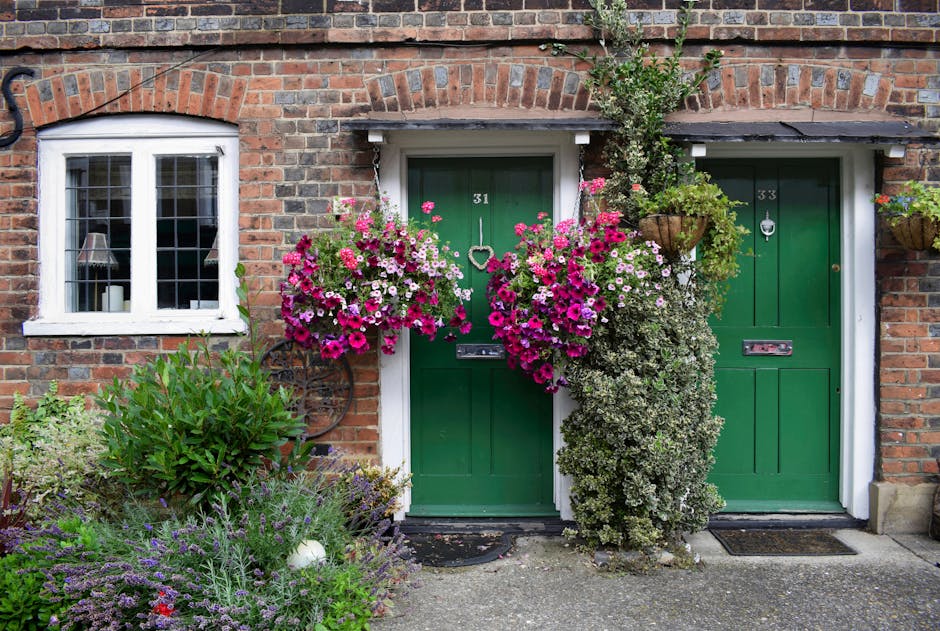
Front doorstep flower displays seem harmless. In many cases, they are. A small planter outside a terraced house in Raynes Park, a hanging basket by a cafe door, or a neat row of pots outside a salon can make a street feel cared for. They soften the hard edges of brick, concrete, and parking bays. A bright display on a grey morning can genuinely lift the mood of passers-by.
But the moment a display spills into the pavement, blocks access, or creates a trip hazard, it stops being "just flowers" and becomes a public space issue. That is where local authority rules come in. Merton council, like other London councils, has to balance appearance, safety, access for wheelchair users and prams, and the public's right to use the highway.
That balance matters because councils can investigate complaints, ask for changes, and in some situations take enforcement action. People often assume fines only happen when something looks extreme. Not always. A display does not need to be huge to cause a problem if it narrows the footway or makes a corner awkward to navigate.
There is also a neighbourly angle here. One resident may love the cottage-garden look. Another may quietly hate having to step into the road to get around a planter. And let's face it, that awkward pause when someone has to shuffle around a pot of chrysanthemums can turn a charming frontage into a mild daily irritation.
Key point: the issue is rarely the flowers themselves. It is where they sit, how they affect access, and whether they create a hazard or nuisance.
How Merton council rules for doorstep flower displays and fines Works
There is usually no single "flower display law" that says exactly how many pots you can place outside your door. Instead, several public-facing rules and duties can overlap. That is why the subject can feel confusing. One person says, "It's fine," while another says, "The council told me to move it." Both can be true depending on the location and the impact.
In practice, enforcement tends to revolve around a few questions:
- Does the display obstruct the pavement or other public highway space?
- Does it create a trip or collision risk?
- Could it make access difficult for disabled people, parents with buggies, or older pedestrians?
- Is it fixed or placed in a way that could be seen as an obstruction, encroachment, or nuisance?
- Has someone complained, or has an officer noticed it during a routine visit?
If a display raises concern, the council may first ask for it to be altered or removed. That is often the practical starting point. A fine, penalty, or formal enforcement step is more likely where a person ignores advice, repeats the issue, or creates a significant obstruction. Exact outcomes can vary, and councils do not always follow a one-size-fits-all script.
For shops and hospitality venues, the standards can be stricter in practice because customer footfall, deliveries, and public use increase the risk of obstruction. A florist display by the entrance of a business might look lovely, but if it leaves pedestrians squeezed against the kerb, that is where the trouble begins.
It is worth separating decorative frontage from street occupation. A display inside your own boundary line, or in a clearly private threshold area, is usually easier to justify. A display that spills out beyond the property edge or into a shared walkway is much more likely to attract attention.
To be fair, enforcement is not usually about punishing flowers. It is about preventing avoidable problems. That sounds dry, but it is the bit that matters when a council officer is deciding whether to take the matter further.
Key Benefits and Practical Advantages
Staying on the right side of local expectations brings more than just peace of mind. It also keeps your property looking good without the stress of complaints or last-minute removals.
| Practical benefit | What it means in real life | Why it matters |
|---|---|---|
| Lower risk of complaints | Neighbours and passers-by are less likely to report the display | Fewer council interventions and awkward conversations |
| Safer access | Pedestrians can pass comfortably without stepping into traffic | Reduces trip hazards and access issues |
| Better curb appeal | Your frontage still looks cared for and welcoming | A neat display can improve first impressions |
| Less maintenance stress | Plants are placed where they are less likely to be damaged | Fewer knocked-over pots, soil spills, or broken stems |
| Stronger business presentation | Shops and cafes look inviting without crowding the pavement | Helps customer experience without risking enforcement |
There is also a quieter advantage people forget: good compliance makes future conversations easier. If your frontage is already tidy, measured, and considerate, you are in a far better position if a neighbour ever raises a concern. That calm, "we thought this through" tone counts for a lot.
Who This Is For and When It Makes Sense
This topic is relevant to more people than you might think. It is not just for commercial premises with elaborate planters or floral shop fronts. In everyday Merton streets, the issue can come up anywhere there is a front step, shared pavement, or publicly accessible entrance.
- Homeowners who want to place pots, baskets, or seasonal displays by the doorway
- Tenants who are decorating a rented property but do not want to breach house rules or council expectations
- Small businesses such as salons, delis, cafes, and local shops that use flowers to make the entrance more welcoming
- Community groups creating temporary floral displays for events or commemorations
- Property managers responsible for maintaining a frontage and dealing with complaints if the display becomes an obstruction
It makes the most sense to think about the rules before you put anything out. Once a planter is already in the way, people tend to notice the problem faster than the beauty. That is just how streets work.
If your building sits on a narrow pavement, near a bus stop, by a school route, or on a corner with heavy foot traffic, this matters even more. The same display that looks fine on a quiet cul-de-sac can become a hassle on a busy road. Different setting, different risk. Simple as that.
And if you are running a business, it is not only about compliance. The customer impression starts at the kerb. A tidy flower arrangement can say "we care" without saying a word. The trick is keeping it tidy enough that it helps rather than hinders.
Step-by-Step Guidance
If you are trying to decide whether your doorstep flowers are likely to be okay, use this process. It is a practical way to think it through before you commit to a display that might need changing later.
- Check the space in front of the door. Look at how much of the frontage is truly private and how much is shared. If people naturally walk past that area, assume they need a clear route.
- Measure the impact visually. You do not need engineering tools for the first check. Stand back and ask: would a pram, wheelchair, or delivery trolley get through without fuss?
- Keep the display compact. A few well-placed pots are usually safer than a broad spread of loose containers. Smaller often works better here. Not glamorous, but effective.
- Avoid sharp edges and unstable items. Heavy ceramic pots can crack; light ones can tip. Both create mess and risk if knocked.
- Leave clear access to the door, gate, bell, and path. A beautiful display that hides the doorway or makes visitors squeeze sideways is not a good trade.
- Consider weather and overnight movement. Wind, rain, and uneven paving can shift pots. A display that looks neat at 9 a.m. may be a mess by teatime.
- Watch for complaints early. If a neighbour mentions the flowers are in the way, take that seriously. Early adjustment is much easier than dealing with a formal notice.
- Document what you did. For a business, keeping a simple note of the display layout and any permissions or internal checks can help if there is later a dispute. Nothing fancy. Just sensible.
Here is the straightforward version: if you would need to apologise for where the flowers are placed, they are probably too far out. That little gut-check is often surprisingly accurate.
One more thing. If you are ever unsure, take a picture from the pedestrian's point of view. It is amazing how often a display that looks harmless from your own doorway suddenly feels tighter when you see it as someone walking past. The angle tells the truth.
Expert Tips for Better Results
A good doorstep display does not need to be large. It needs to be thoughtful. In our experience, the displays that work best are the ones that look intentional rather than improvised five minutes before visitors arrive.
Use grouped containers instead of scattered ones. Three pots clustered neatly by the wall usually read better than six tiny items spread across the step. Fewer visual obstacles, fewer practical ones.
Choose stable planters. Weighted pots are usually more reliable than lightweight buckets, especially if you get a bit of London wind funnelled between buildings. That breeze can be sneaky.
Keep scent in mind. Highly fragrant flowers can be lovely near a front door, but strong scent in a confined entrance area may be overwhelming in warmer weather. A subtle fragrance is often easier to live with than a showy one.
Match the season. Seasonal planting tends to look more natural and often requires less awkward maintenance. A spring display near a front step feels lighter; autumn planting can be lower and tidier, which helps with access.
Use trays or saucers where needed. This prevents water running across paving and reduces slippery patches. It is a tiny detail, but tiny details matter when people are walking by in wet shoes.
Do a quick after-rain check. Wet leaves, fallen petals, and soil spill are all more noticeable after a shower. A five-minute tidy can prevent a lot of mess.
Be cautious with seasonal extras. Decorative ribbons, signs, lanterns, or novelty items can make the arrangement broader than you intended. Sometimes the flower display itself is not the problem; the add-ons are.
And yes, the perfect arrangement probably does not exist. You can get very close, though, if you prioritise access first and decoration second. That is the trick.
Common Mistakes to Avoid
Most problems with doorstep flower displays are preventable. They usually come from assuming the area outside the door is "basically mine" or from underestimating how narrow a pavement really feels once people are using it.
- Placing pots too far into the pavement. Even a small shift can create an obstruction.
- Using unstable containers. A pot that wobbles is only one nudge away from becoming a hazard.
- Ignoring accessibility. If someone using mobility aids cannot pass comfortably, the display is too intrusive.
- Forgetting about maintenance. Dead flowers, spilled soil, and cracked pots can make a nice idea look neglected fast.
- Assuming one street's setup works everywhere. What is fine in one road may be a problem in another.
- Putting out too much. It is easy to overdo it, especially when you are trying to make a place feel warm or welcoming.
- Waiting for the council to act before responding. If someone raises a concern, move quickly.
The most common real-world mistake? A display that starts as "just a little something by the door" and gradually spreads. One pot becomes three. Then a lantern appears. Then a welcome sign. Before long, the entrance feels like a tiny outdoor showroom. Charming, yes. Practical? Not always.
Another one is forgetting the view from the side. People often inspect the display from the front, but pedestrians approach at angles. A planter that seems harmless head-on can be awkward from the left or right. Small detail, big effect.
Tools, Resources and Recommendations
You do not need expensive equipment to manage this well. A few simple tools and habits make a surprising difference.
- Measuring tape: useful for checking the width of the walkway and the space your pots actually take up.
- Phone camera: take photos from a pedestrian's eye line to spot problems early.
- Weatherproof containers: choose planters that do not crack easily or become dangerously light in wind.
- Drip trays or mats: help stop water and soil from spreading onto the path.
- Simple maintenance kit: gloves, hand fork, spare compost, and a cloth for wiping muddy marks.
For broader service information, it can also help to review a florist's practical delivery and care guidance. For example, if you are using cut arrangements rather than potted plants, the advice on flower care can help you keep displays fresh and presentable for longer. That is not a legal fix, obviously, but it is useful for keeping a frontage tidy.
If you are buying flowers regularly for a doorway, seasonal or event-based ranges can also help you plan better. A curated collection such as best sellers or a flexible option like florist choice can make it easier to keep the display balanced without overthinking every stem. Sometimes that is exactly what you want: attractive, simple, and not too precious.
And if your setup is part of a wider home or business delivery routine, it can be worth checking the site's delivery information and terms and conditions so you know how products are handled. Small details, but they help.
Law, Compliance, Standards, or Best Practice
Because this topic sits close to public access and local enforcement, it is wise to think in terms of compliance rather than style alone. The exact legal basis can vary depending on whether the issue concerns obstruction, licensing, nuisance, highway access, or property boundaries. That is why caution matters here.
In plain English, the safest approach is to treat the pavement and shared access space as something you must not assume you control. If the display is within your boundary and does not create a hazard, it is far easier to defend. If it moves into publicly used space, the risk rises. That is the line.
Best practice usually includes:
- keeping clear pedestrian access
- avoiding anything that can fall or tip
- ensuring the display does not narrow the route
- maintaining the area regularly
- responding promptly to complaints or council advice
For businesses, there may be extra expectations around accessibility and public safety. A shop front should not just look good; it should work for all customers, including people with mobility needs. That is not optional in spirit, and in practical terms it often becomes the deciding factor if someone reports a problem.
If you are operating commercially, a conservative standard is usually best. Keep more space than you think you need. It feels cautious, yes, but it is often the difference between a pleasant frontage and a formal headache. A tidy entrance costs less than an enforcement dispute. That part is hard to argue with.
Options, Methods, or Comparison Table
If you want a floral entrance but do not want trouble, the choice is usually between several display styles. Each has different risks and benefits.
| Display method | Compliance risk | Visual impact | Best use case |
|---|---|---|---|
| Single pot by the wall | Low | Simple and neat | Small front steps or narrow entrances |
| Grouped planters inside the boundary | Low to medium | More decorative | Homes and businesses with a recessed frontage |
| Wide floral arrangement near the pavement edge | Medium to high | Strong visual effect | Only if there is ample clear space |
| Hanging baskets or wall-mounted displays | Usually lower | Elegant and space-saving | Where floor space is tight |
| Temporary event display | Varies | Can be impressive | Seasonal events, weddings, community occasions |
If space is tight, wall-mounted or elevated options are often the least troublesome. They keep the ground clear, which is exactly what you want if the pavement is already narrow. Ground-level displays can still work, but they need more care. More care than people think, honestly.
One practical rule of thumb: the more public the space, the simpler the display should be. That is not exciting advice, but it is good advice.
Case Study or Real-World Example
Imagine a small terraced home near a busy Merton road. The owner loves flowers and puts three ceramic pots beside the front step, with a trailing plant and a decorative lantern. At first glance, it looks neat. But the pavement outside is narrow, and the front step sits close to the public walkway.
A neighbour using a pushchair starts edging around the display each morning. Another pedestrian clips a planter with a bag and knocks it slightly. Nothing dramatic, just enough to make people notice. Over time, a complaint reaches the council, who ask for the arrangement to be moved back to leave a clearer route.
The owner is annoyed at first. Fair enough. The display only seemed "a little bit out." But once the pots are pulled back to the private threshold area and the lantern is removed, the entrance still looks lovely. The flowers remain. The problem disappears. No fine, no argument, no tension with neighbours. That is usually how the best outcomes go.
A similar pattern can happen for businesses. A small cafe might use two planters to frame the entrance and make the frontage welcoming. If those planters leave plenty of clearance, they add charm. If they create a pinch point at busy times, they can become an issue quickly. Busy lunch hour, rain on the pavement, people juggling coffee and umbrellas - not ideal conditions for a crowded doorway.
The lesson is simple: the display should support the entrance, not compete with it.
Practical Checklist
Use this quick checklist before setting out flowers at your door. It saves stress later.
- Have I kept the display inside my own frontage or boundary where possible?
- Can pedestrians pass without stepping into the road?
- Would a wheelchair, buggy, or delivery trolley get by comfortably?
- Are all pots stable and unlikely to tip?
- Is there enough room to open the door safely?
- Have I avoided loose items that can spread onto the path?
- Will the display still be safe after rain or wind?
- Can I maintain it regularly so it does not become untidy?
- Have I considered whether neighbours might reasonably object?
- Would I be comfortable explaining the layout if someone asked about it?
If you can tick most of those boxes, you are probably in a much safer place. Not legally bulletproof, no. But much safer.
Get a free quote today and see how much you can save.
Conclusion
The main thing to remember about Merton council rules for doorstep flower displays and fines is that the flowers are rarely the real issue. The issue is space, safety, and whether your display respects the shared environment outside your home or business. Keep the frontage tidy, compact, and accessible, and you reduce the risk of complaints or enforcement while still enjoying a welcoming entrance.
If you are uncertain, lean conservative. Leave more room than you think you need. Keep the display easy to move. Check it after bad weather. And if a neighbour or council officer raises a concern, respond quickly rather than hoping it will blow over. It usually does not.
Done well, a doorstep flower display can brighten a street without causing friction. That is the sweet spot. And honestly, that is the lovely part of it - a small bit of care, placed with a bit of thought, can make a whole entrance feel kinder.
Frequently Asked Questions
Can I put flower pots outside my front door in Merton?
Often yes, but only if the display does not obstruct the pavement, create a hazard, or interfere with access. The safest approach is to keep pots within your own frontage and leave a clear walking route.
Does Merton council issue fines for doorstep flower displays?
Fines are not usually the first step, but enforcement can escalate if a display causes an obstruction, ignores requests to move, or creates a safety issue. The exact response depends on the situation.
What counts as an obstruction?
An obstruction is anything that makes it harder or less safe for people to use the pavement or entrance area. That can include pots, baskets, stands, decorations, or even a display that is simply too wide for the space.
Are hanging baskets safer than floor-standing pots?
Usually, yes. Hanging baskets or wall-mounted displays leave the ground clear, which reduces trip and access risks. That said, they still need to be secure and positioned sensibly.
Do the rules apply differently to businesses?
They can, in practice. Businesses often have more foot traffic, so councils and neighbours may be less tolerant of anything that narrows the access route. A shop frontage needs to work for customers as well as look attractive.
Can my neighbours complain about my flower display?
Yes. If someone feels the display is in the way, they can complain, and the council may look into it. That is why it helps to keep the arrangement modest and clearly safe from the start.
How much space should I leave on the pavement?
There is no universal answer here, because the right amount depends on the street width and the setting. A good rule is to leave enough space for two people, or a person using a mobility aid, to pass comfortably without squeezing.
What should I do if the council contacts me about my display?
Act quickly and politely. Check the exact concern, adjust the display if needed, and keep a record of what you changed. Prompt action usually helps more than arguing about intent.
Can I decorate with flowers for a special event or wedding?
Yes, but temporary displays should still respect access and safety. If the display is larger than usual, it is wise to plan it carefully and keep it shorter-lived and easier to remove.
What is the safest type of doorstep display for a narrow street?
Small wall-mounted arrangements, hanging baskets, or compact pots tucked against the building line are usually the safest choices. The narrower the street, the more important it is to keep the walking route clear.
Do I need permission to place flowers outside?
That depends on where the display sits and whether it uses any public space. If the flowers stay entirely within your private boundary and do not affect the pavement, permission may not be needed. If they extend into shared space, caution is essential.
What is the best way to avoid complaints?
Keep the display neat, small, stable, and clearly out of the pedestrian route. Also, check it regularly. A display that looks maintained is much less likely to cause friction than one that slowly spreads or becomes untidy.